Grooming


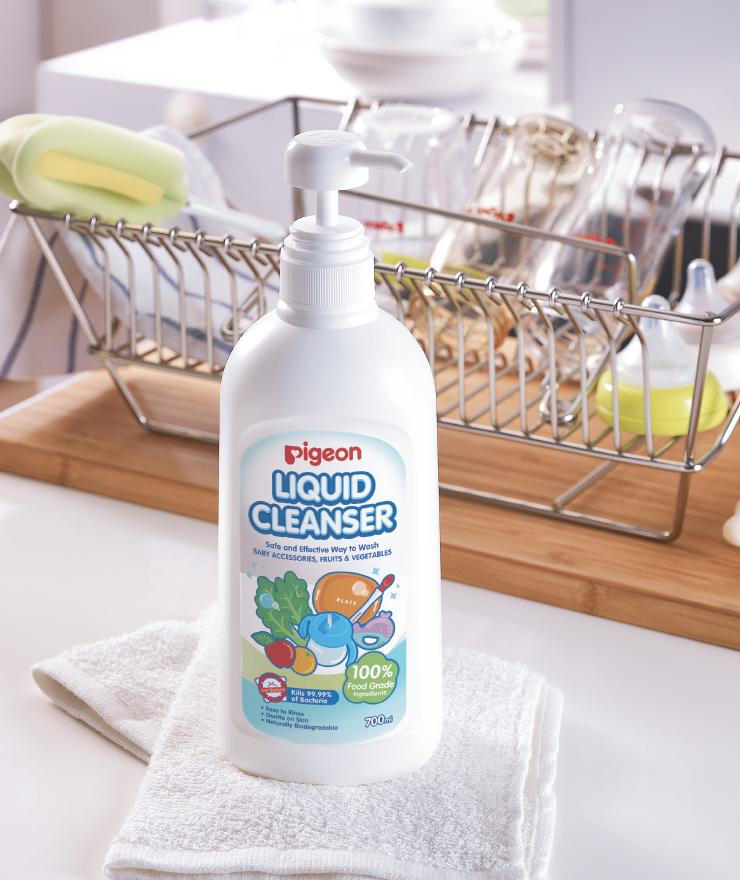
Pigeon Liquid Cleanser 450mL


Safety Nail Scissors - Newborn


Baby Hair Brush & Comb Set


Safety Nail Scissors - 3+ months


Training Toothbrush Step 2
Grooming
With a range of baby grooming products, like a brush and comb, baby nail scissors and nose cleaner, Pigeon's range of baby grooming will help you keep your little one clean and well-groomed.
[footer]
Top baby grooming products
Besides baby hygiene products such as shampoo, conditioner, body wash and wipes, it’s also important to have a grooming kit to improve and maintain baby care. Some grooming essentials are:
- Brush and comb: babies have very delicate hair and scalp so it's important that both brush and comb have soft bristles to prevent scratching or itching and promote healthy hair growth.
- Nail scissors: they should be small and have rounded tips to safely cut the baby’s delicate nails. Babies are always putting their little hands on their mouth and dirt loves to hide under the nails, so it’s essential to keep the baby’s nails leveled.
- Nose cleaner: used to clean mucus from the baby’s nose, it’s soft, easy and safe to use and clean.
When should I start grooming my baby?
Up until the baby is 6 months, it’s normal that the hair grows and falls out. There’s no right time for your baby’s first haircut, but unless they are very hairy, it’s a good idea to wait until they’re at least 1 year old and will be able to sit up and support their own head.
Does brushing a baby's hair help with cradle cap?
Cradle crap usually goes away on its own, but to help it’s recommended to wash and massage the baby’s hair once a day with a mild shampoo and use a soft brush to loosen the scales.
Loved by Parents
Lulu
"Definitely a great drinking cup for daily use. It is compact, lightweight and easy to grip. The bright colours make it more appealing to the little one. I personally found it is easy to take apart and clean. So far we love it!"

Maddy
I bought it a month ago, seems to work fine. My babies skin is not red anymore. Feels good to use on my baby.

Bec G
"This bottle is great for my 9 month old. It’s light weight and he is able to independently drink from the bottle. The weighted straw makes it easy for him to drink from all angles."

Phil
"I’m a big fan of the liquid cleanser, so I thought I’d give this baby bottle spray a try. It works really well for quick cleans and wipe-downs. Just like the cleanser, it doesn’t leave any chemical smell, and you don’t have to spend ages wiping to make sure everything’s clean."

Love this teat!!!!
"I bought this tonight for my 5 mo after trying 5 other brands of bottles and at my wits end. The teat was exactly what I was looking for and he didn’t resist it being given as much as he would the others. Cannot wait to try more and hopefully transition!!! Thank you!"


Learn with Pigeon
Discover Learn with Pigeon, a helpful hub for product guidance, how-to videos and expert-backed advice.
Everything here is designed to support your baby’s feeding and care journey with clarity, confidence and comfort.

Why Isn't My Anti-Colic Bottle Working?
Anti-colic bottles promise less fussing, but they only solve one specific problem: swallowed air. Here's how to tell if air intake is behind your baby's discomfort or if something else is going on.
Learn more
Why Does My Baby Click, Cough, or Pull Off the Bottle During Feeds?
A clicking sound, a cough, a sudden pull away from the teat. These feeding noises can feel alarming, but most of them trace back to three things: oral seal, teat response and air intake. Here's how to tell what's normal and what your bottle can do about it.
Learn more
What Does Your Newborn Actually Need for Bottle Feeding?
Baby registries can make newborn feeding feel like it needs a dozen products. It really comes down to four things: latch, flow, stamina and comfort. Here's what actually matters in the first weeks, and how to build a bundle around it.
Learn more